


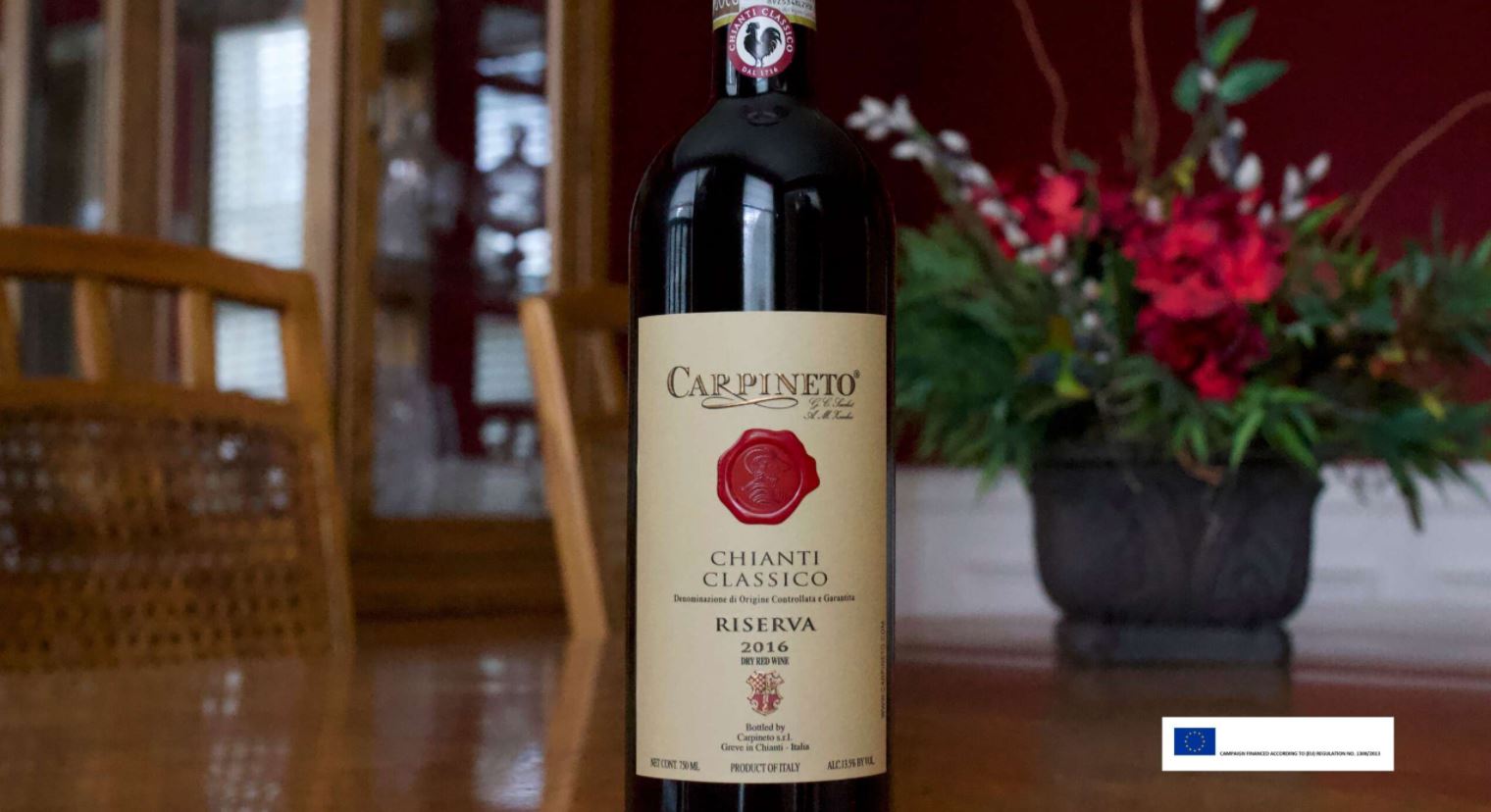
One notable, historic wine lover was Cosimo III, the Grand Duke of Tuscany, who had a particular fondness for wine country just between Florence and Siena. This hilly area is rich in vineyards and generous in harvests, and it was so very dear to Cosimo III, that the Grand Duke established boundaries designated for wine production. This area later became the geographical home of Chianti.
Since 1716 over 7200 hectares of vineyards have painted the landscape of one of the most beautiful panoramas in the world, an area which has not stopped producing high quality wine ever since. At the beginning of the twentieth century, a second division was necessary – one for the historic production of Chianti, designated by Cosimo III - this area later took on the name of Chianti Classico. The other production was that of a "younger" land just outside of the main production area, which was simply referred to as "Chianti".
Chianti Classico has since become known as the heart of Tuscan viticulture, a heart that beats from Castelnuovo Berardenga to San Casciano, passing through Gaiole, Castellina, Radda, Greve, Poggibonsi and Tavarnelle. This expanse of villages surrounded by vineyards and woods which are halfway between the capitals of Florence and Siena are a perfect place to find the natural wonders of wine and good food.
The best journey starts at Greve in Chianti, one of the most suitable areas of the Chianti viticulture. Here you can admire gorgeous landscapes of grapevines, oaks and beech-woods. And right in the center of the town, you will find a monument to one of the most famous citizens of the area - Giovanni Verrazzano. Continue along the road past more small villages and wineries scattered throughout the territory and you will soon stumble upon Chianti Classico, Chianti Classico Riserva and Chianti Classico Gran Selezione. Choose which glass you would like to spend your afternoon with…
Continuing towards Castellina, you will soon find yourself surrounded by a medieval fortress that stands right in the center of the town, once used to protect its citizens, it is now a popular tourist attraction. Small corridors, panoramic roads and evocative stone stairs that lead will now lead you to inns and wine bars. Once a useful spot to identify enemy armies marching towards the town, this now serves as the perfect landscape to enjoy a glass of wine.
A trip to Gaiole in Chianti is idyllic if you want to get a glimpse of castles from the Middle Ages. These complex structures have been perfectly preserved, and are used both for defense and private homes. They are an integral part of the current landscape of the village. Some of these castles were inhabited by families so important that soon town multiplied with houses, churches, shops and of course, inevitably vineyards.
The heart of Chianti Classico ends with a trip to Radda, with its medieval walls and parish churches. This town will give you a small taste of the Middle Ages that continues in the Renaissance architecture, expressed in civic and grand-ducal palaces.
A trip through Chianti wine country means immersing yourself completely in Tuscan history and culture, starting with wine and ending with the splendid villages that still today capture the heart of all travelers. The beloved 7200 hectares given to us by Cosimo III will bring joy for countless years.
